
Turning Science into Lasting Impact.
The conservation implementation and community empowerment partner of the Sea of Cortez Oceanographic Research Institute.
Protect. Restore. Empower. Sustain.
Guided by science. Measured by impact.
Guided by scientific research and environmental best practices, the Foundation is dedicated to restoring marine habitats, reducing destructive fishing pressure and creating sustainable economic opportunities for coastal communities.
Our work is concentrated on three interconnected flagship programmes: the permanent retirement of aging bottom trawlers and their potential conversion into artificial reef habitats, the restoration of mangrove and coastal ecosystems, and the reskilling and employment transition of fishermen.
Together, these programmes support the development of a Marine Prosperity Zone, a science led model for marine conservation, ecosystem regeneration and inclusive economic prosperity.
Trawler Retirement & Reef Regeneration
From seabed degradation to marine regeneration.
The Foundation aims to permanently retire selected aging bottom trawlers, reducing fishing pressure on sensitive seabed habitats while exploring conversion of suitable vessel materials into engineered artificial reefs.
The programme integrates vessel retirement, environmental decontamination, responsible material repurposing, reef deployment and long term marine habitat stewardship.
Subject to scientific validation, environmental preparation and regulatory authorization.
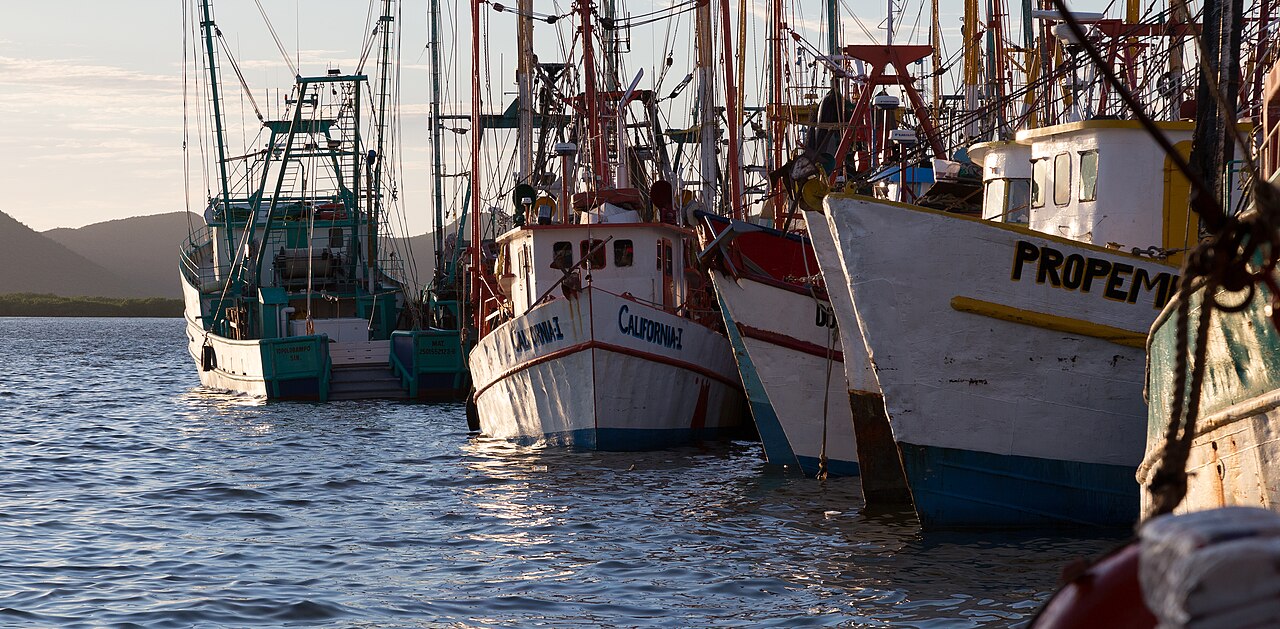 Photo:
Retire aging trawlers
45 vessels targeted for permanent retirement.
Clean, dismantle and engineer
30 to 40 potential reef modules per vessel.
Regenerate marine habitats
Indicative deployment area of 2 hectares per vessel; 90 hectares in total.
Mangrove & Coastal Habitat Restoration
Restoring the natural nurseries of our ocean.
The Foundation seeks to restore degraded mangrove ecosystems and selected seagrass habitats along the Sea of Cortez coastline, supporting marine biodiversity, natural fish nurseries and coastal resilience.
The programme prioritizes native ecosystem regeneration, tidal connectivity, selective planting and long term habitat protection.
Actual restoration areas will be determined by native habitat suitability and coastal hydrology.
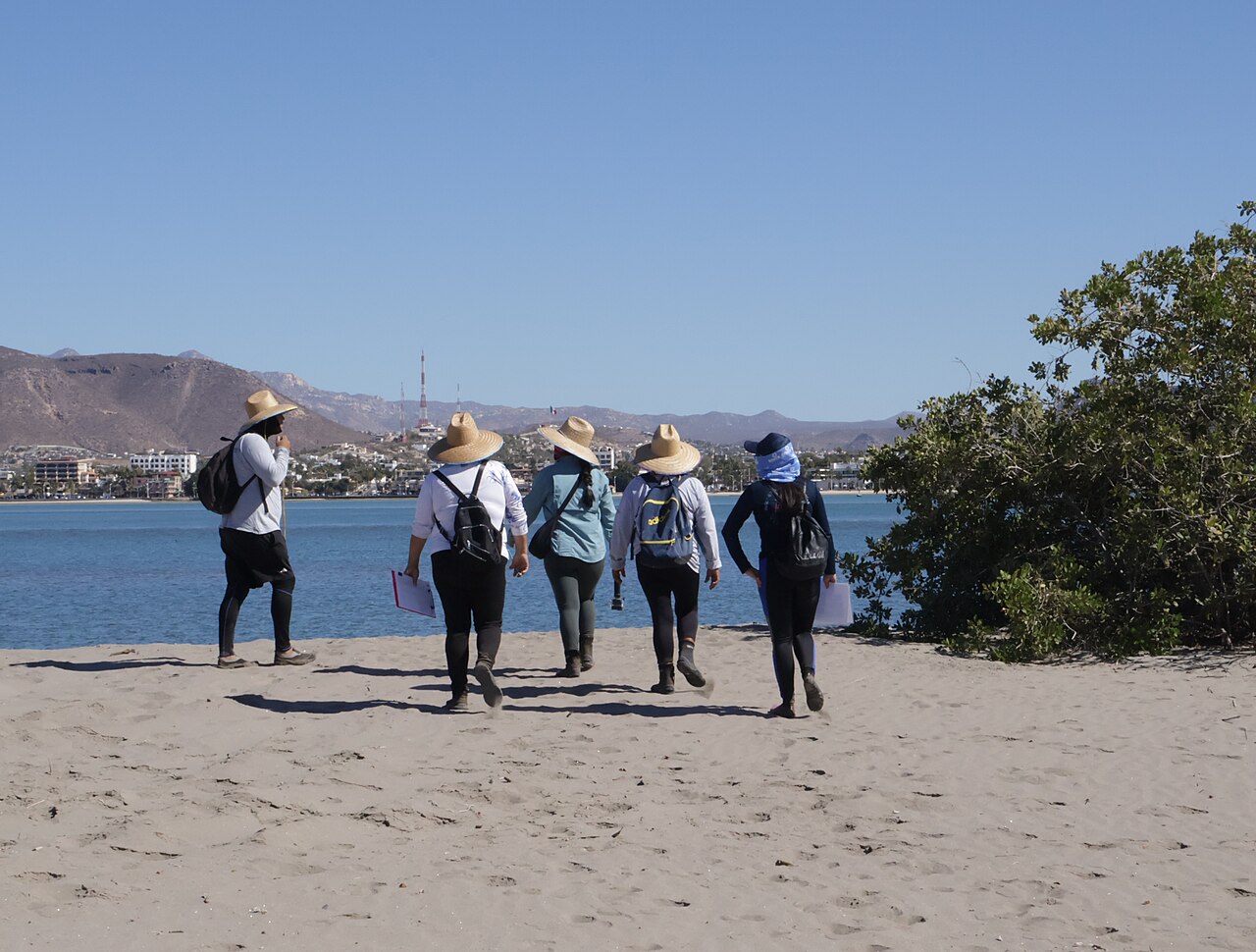 Photo:
Restore tidal connectivity
Assess native habitat suitability and coastal hydrology.
Native habitat regeneration
Mangrove forests and selected seagrass habitats.
Coastal restoration
10 km and 100 hectares: an indicative ambition over an initial three year horizon.
Fishing Community Empowerment
From fishermen to skilled industrial professionals.
Marine conservation must go hand in hand with economic opportunity.
The programme supports fishermen affected by permanent retirement of bottom trawlers through structured transition into sustainable, skilled employment. Rather than offering training in isolation, it connects reskilling directly with identified employment opportunities through industrial employers and participating partners.
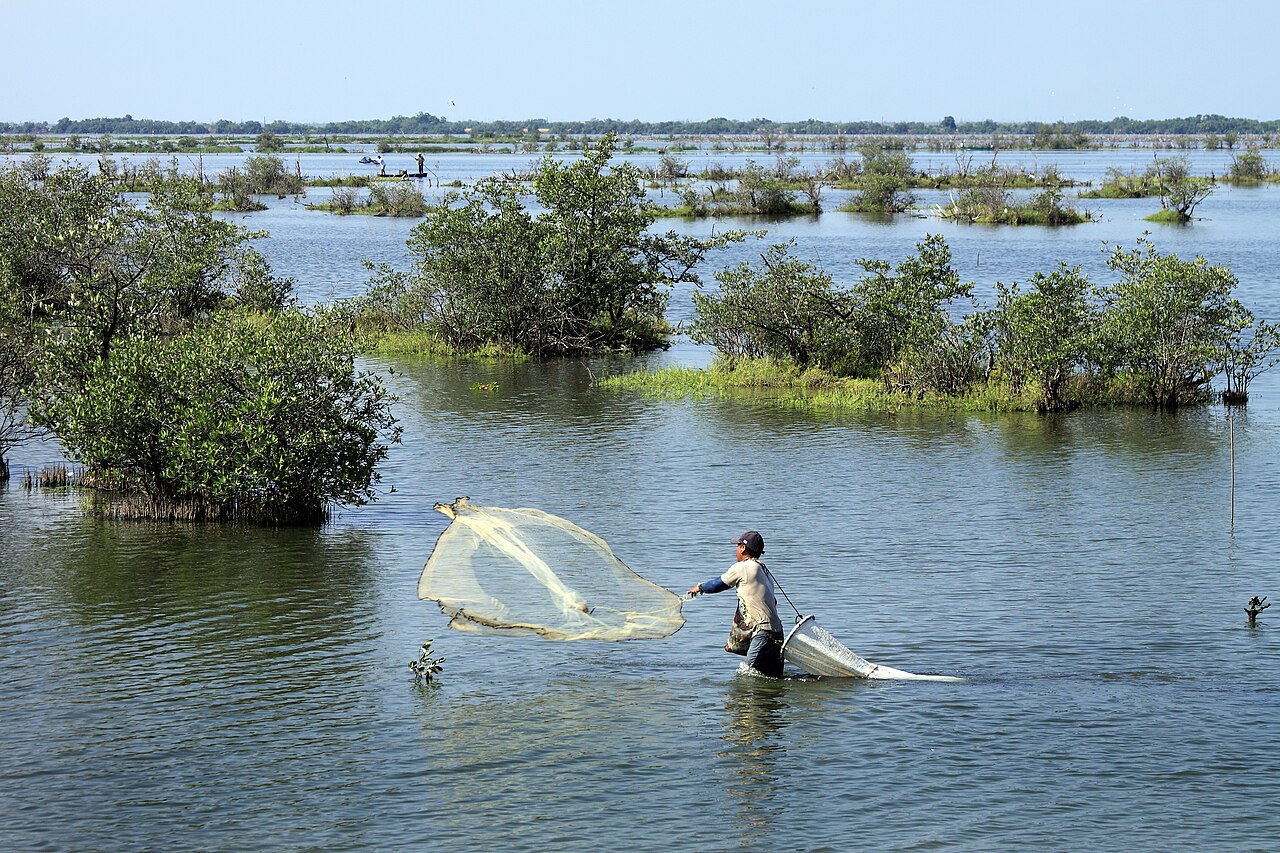 Photo:
 Photo:
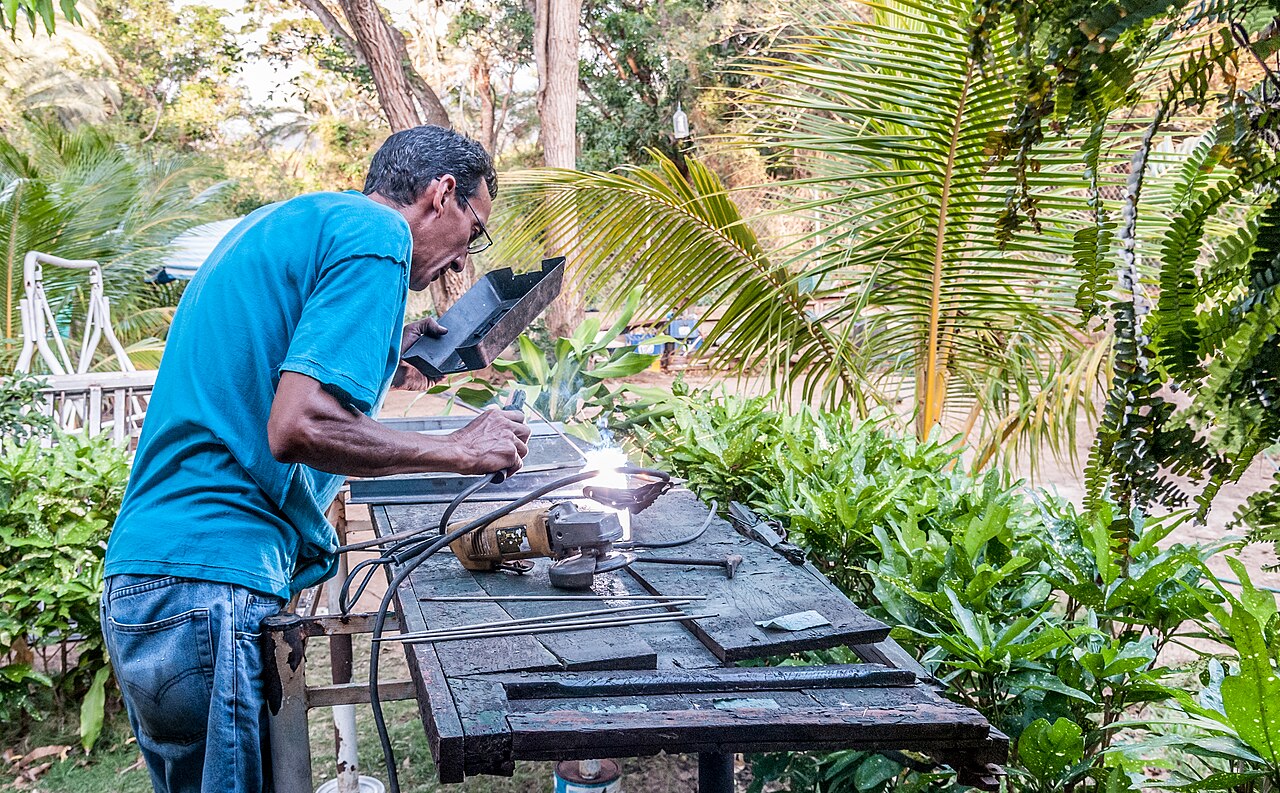 Photo:
Potential career pathways
- Industrial mechanics
- Welding
- Fabrication
- Electrical maintenance
- Logistics
- Equipment operation
- Port services
- Environmental restoration
Fishing community
Identify and engage affected fishermen.
Skills assessment
Recognize existing skills and identify career pathways.
Reskill and retool
Technical training, certification, tools and transition support.
Industrial employment
Connect qualified workers with identified paid employment opportunities.
Long term prosperity
Support job retention, career development and family economic stability.
Conservation should create opportunity, not displacement.
Responsible industry, meaningful outcomes.
The Sea of Cortez Foundation is being developed with the founding support of Amigo LNG, reflecting a commitment to marine ecosystem regeneration, environmental stewardship and the creation of sustainable employment opportunities for coastal communities.
Through collaboration with scientific institutions, industrial partners and local stakeholders, the Foundation seeks to demonstrate how responsible industrial development can support meaningful environmental and socioeconomic outcomes.
SCORI maintains its commitment to scientific independence, objective research and transparent environmental reporting.